
The BCG Matrix for Client Strategy
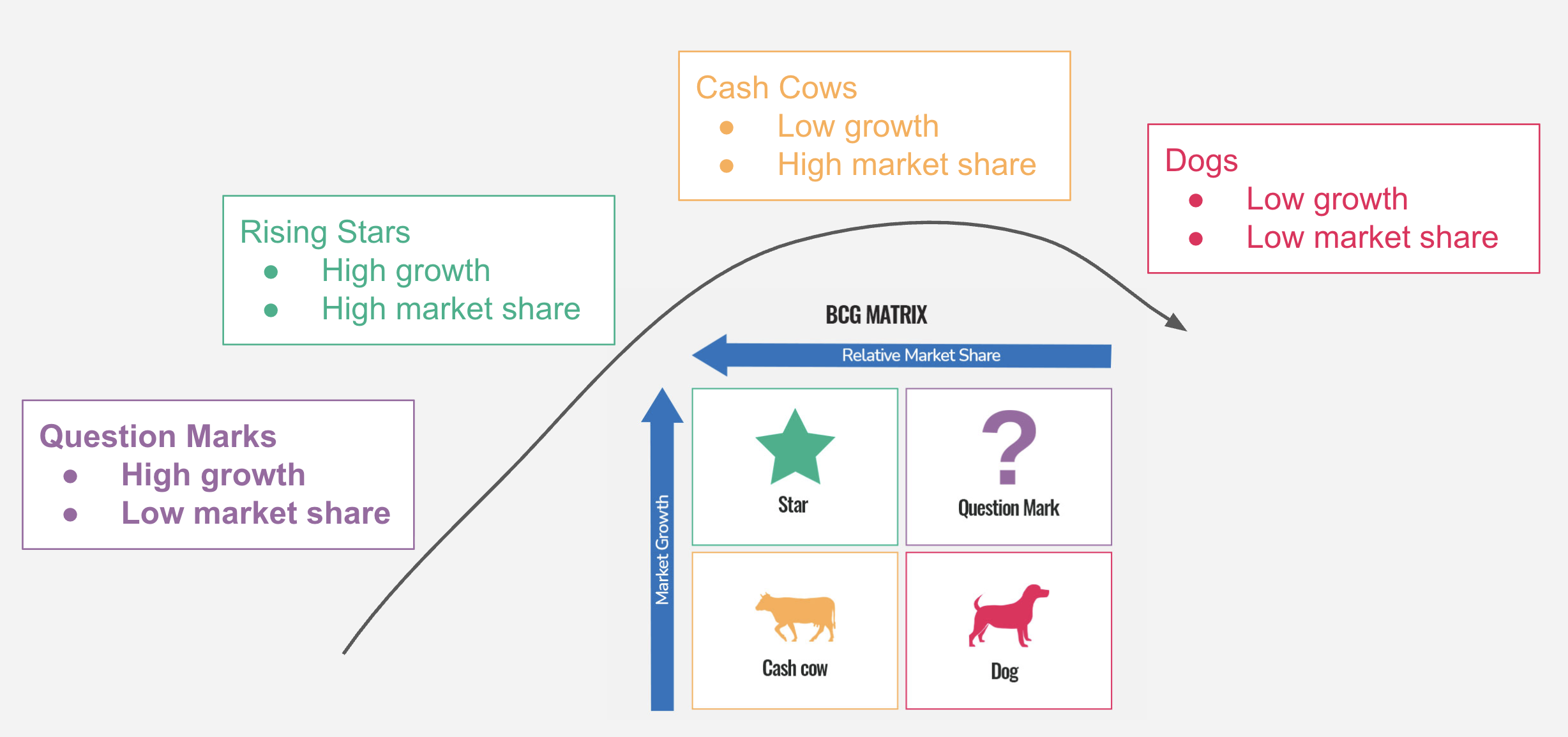
Recruitment isn’t only about filling roles – it’s about deciding which clients to prioritise. When I first led a team at Boyd & Moore, I found the BCG Matrix a useful tool for client strategy. Later at RGF, I implemented it again with mixed success – some recruiters embraced it, others resisted. Looking back, I still see it as one of the best frameworks for young recruiters who want clarity on which clients to pursue.
The Four Quadrants
1. Question Marks
Startups and new entrants often begin here. They may only hire a handful of people, but if successful, they can grow into major accounts. The key is to assess whether their solution type will lead to big hiring needs (complex enterprise solutions) or remain relatively light (point solutions sold via partners).
2. Rising Stars
High-growth companies are where recruiters can really make an impact. These firms expand quickly, often needing leadership and supporting teams as they scale. Securing one of these clients can transform a recruiter’s year.
3. Cash Cows
Established companies with predictable revenue streams. In my experience, they often have strong in-house talent acquisition. The opportunities tend to be for specialist or leadership roles, or sometimes RPO-style support. They may not drive constant volume, but they can still offer high-value engagements.
4. Dogs
Low-growth clients with limited hiring needs. Anyone can take this business, but it rarely builds credibility. Bringing A-grade candidates to a B-grade brand can diminish a recruiter’s reputation.
Signature Clients and Planning
The real goal is to secure what I used to call a signature client – one account that underpins your portfolio and provides consistent revenue. This might be a rising star or a cash cow, but it should be stable enough to plan your year around. A signature client is one that becomes synonymous with your name, and will follow you even if you change agencies. In my own career, VMware was certainly that client: I was their top external agent before joining them in-house for a few years, and I continued to support them on senior hires when I returned to agency life.
Account Planning in Practice
Every recruiter should sit down with their manager at the start of the year and review their client portfolio. This exercise isn’t one-and-done – circumstances change. A client might suddenly freeze hiring, while another could unexpectedly expand. That’s why it makes sense to revisit the portfolio at intervals, adjusting focus where needed. If you don’t have enough of the right type of clients, that’s the time to collaborate with your manager and invest in additional business development.
The Role of AI in the Future
Until now, I’ve done this kind of account planning on spreadsheets or even whiteboards with my team. But with the data we already capture in our platform, there’s an opportunity to take it further. Imagine a dashboard where AI automatically maps each client into the BCG Matrix, tracks where they move over time, and matches them to your portfolio targets. Align that with recruiter goals — personal income, billing targets, and team priorities — and suddenly you’ve got a live, automated strategy tool. We’re not there today, but it’s a compelling direction for the future, and one that could transform how recruiters plan and prioritise.
Why This Still Matters
I can’t scale a business by executing every role myself. My role is to focus on strategy and feed my teams with the right kind of clients in the right quadrants. That’s why I continue to use the BCG Matrix as a guide – not as a perfect science, but as a practical tool for account planning and recruiter training.
As TalentHub expands, I’m excited about applying this same disciplined approach across Asia-Pacific, including Japan where the challenges are significant and the opportunities enormous.
